Website Design for Pest Control — More Leads for Your Pest Business
Pest control searches are some of the most urgent and emotional on Google. Someone who has just found termite damage or a rat in their kitchen is not casually browsing — they need a professional, now. Your website has seconds to establish trust and make contact effortless, or they hit the back button and call your competitor instead.
Book a Discovery Call
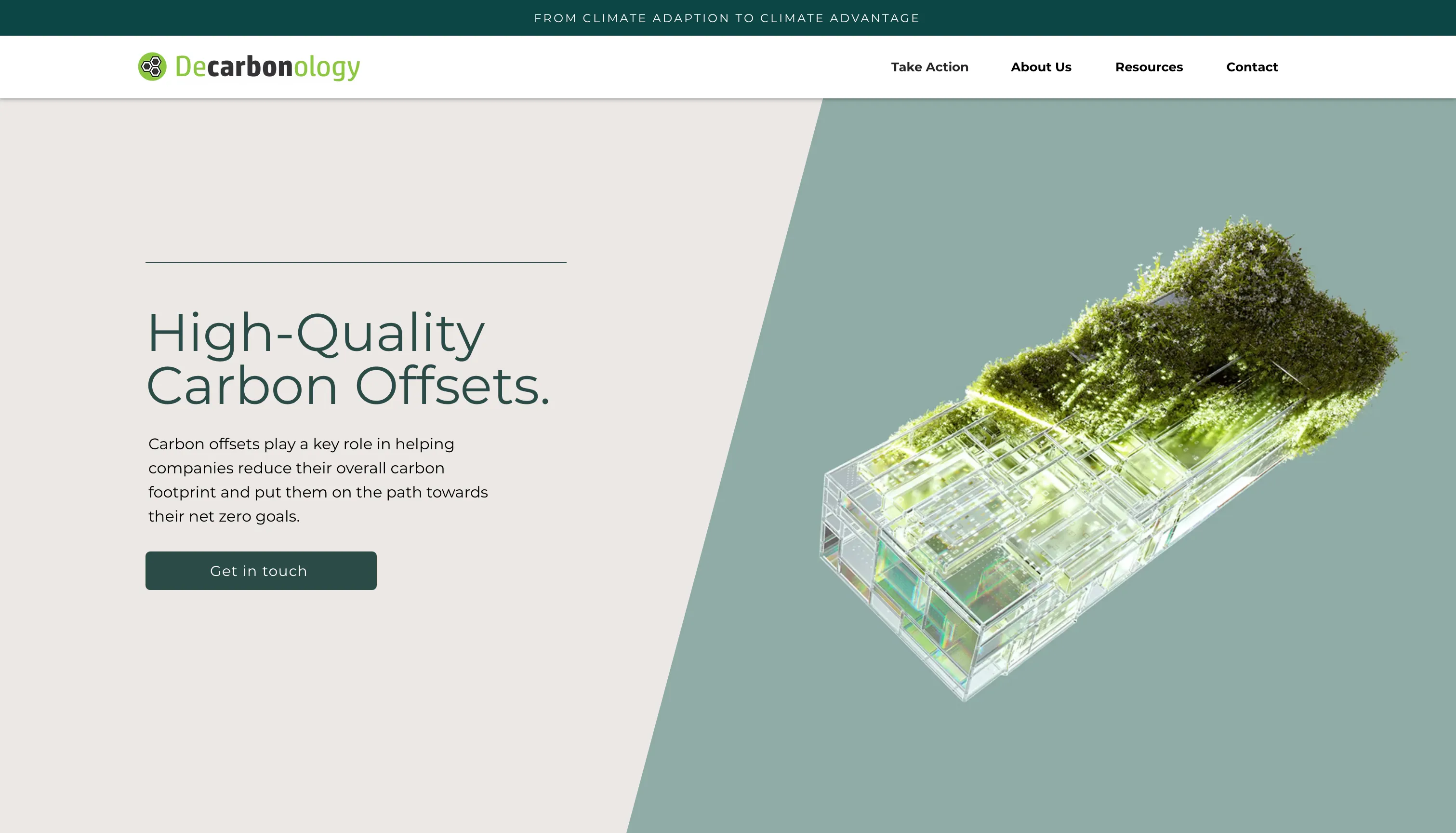
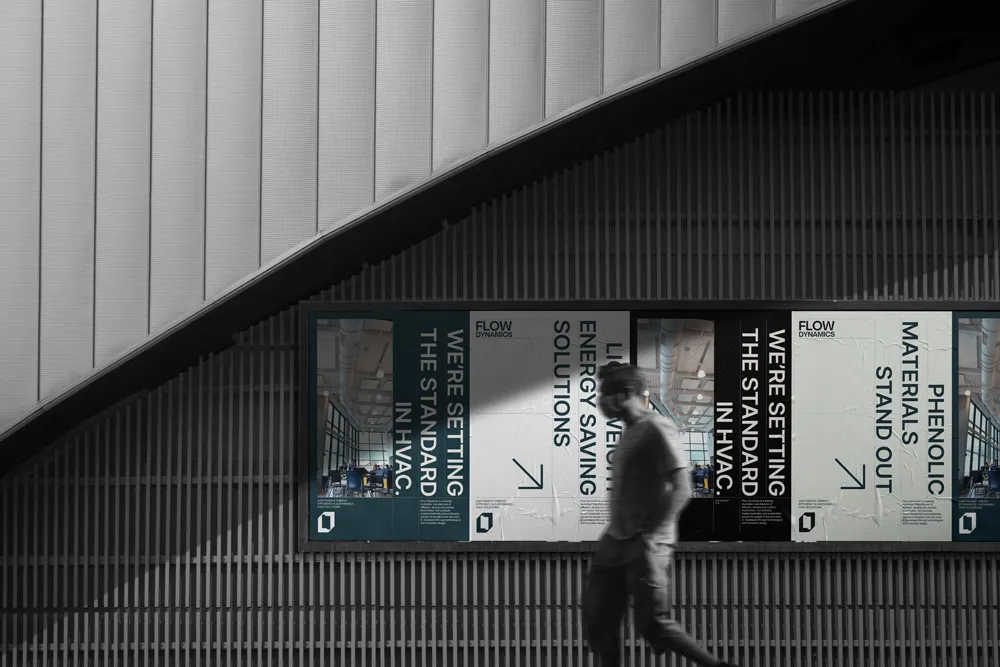
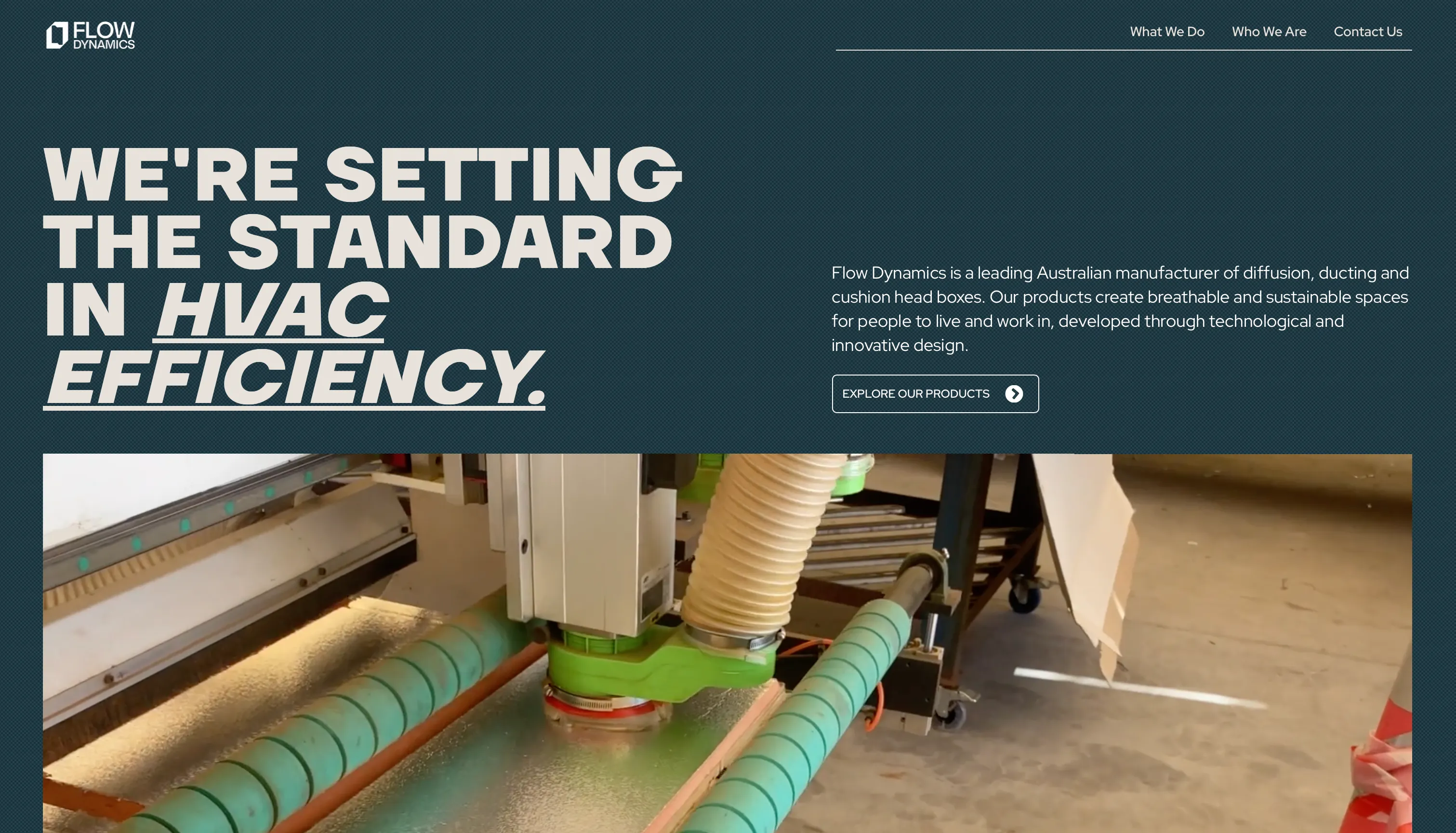

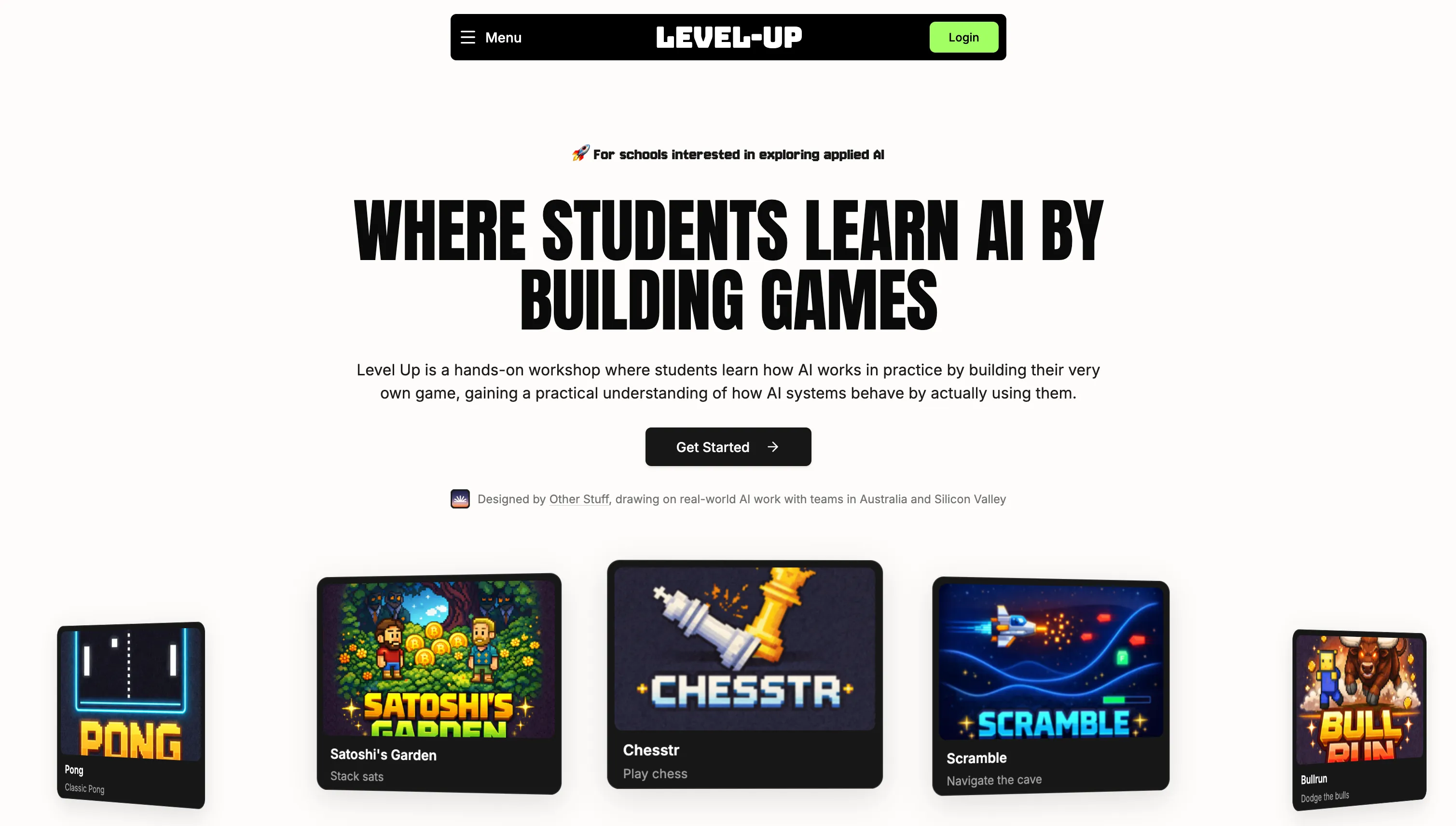









Pest identification guides — the content strategy that fills your calendar
"What does a termite look like." "Small brown spider Australia dangerous." "Black droppings in kitchen cupboard." These are not service searches — they are identification searches, and they represent enormous volume. Thousands of Australians type these queries into Google every day, and the pest control business whose website answers them is the one that gets the booking.
We build visual pest identification guides into your website — detailed pages with clear photographs showing what common pests look like at various life stages, the signs of infestation they leave behind, and the damage they cause. Each guide naturally funnels into a booking call-to-action: you have identified the pest, now here is why you need professional treatment and here is how to book an inspection. These pages rank consistently because they provide genuine utility. They attract visitors at the top of the funnel — people who are not yet sure they need a pest controller — and convert them into customers once they realise the brown powder along their skirting boards is frass from an active termite colony.
The seasonal pest calendar — timing your content to nature's schedule
Pest activity follows predictable seasonal patterns across Australia. Termite swarms emerge in spring and early summer. Cockroach activity peaks during humid summer months. Rodents move indoors as temperatures drop in autumn. Spider populations surge in late summer and early autumn. Your website content should mirror these patterns.
We develop a seasonal content strategy that aligns your service pages and blog content with the pests that are most active — and most searched — at each time of year. A termite awareness page published in early spring, timed to swarming season, consistently outperforms a generic termite page that sits unchanged year-round. Seasonal content signals freshness to search engines, matches the urgency of what people are experiencing right now, and gives you reasons to update your site regularly rather than letting it gather dust between redesigns. This approach keeps your website generating leads across every season, not just during summer when pest anxiety peaks.
A pest control operator in Adelaide implemented a seasonal content calendar on their website, publishing targeted content ahead of each pest season. Their spring termite content — published in August before the first swarms — was ranking on page one by the time homeowners started finding alates on their windowsills in October. They attributed a 40% increase in termite inspection bookings that season directly to the pre-season content strategy.
Termite inspections — a standalone revenue stream that deserves its own spotlight
Most pest control websites list termite inspections as a bullet point under general services. This undersells what is often your highest-value offering. Pre-purchase timber pest inspections for property buyers, annual termite inspections for existing homeowners, termite barrier installations and renewals, and ongoing monitoring programs are distinct services with distinct customer journeys. A property buyer needs an inspection within days of going under contract. A homeowner who found a mud tube in their garage needs an emergency assessment. A new build requires a pre-construction barrier system. Each scenario demands its own dedicated page.
We build a termite services section that treats these as the premium, technically complex services they are. Content covers inspection methods — thermal imaging, moisture meters, radar detection — and explains what the report includes, what happens if termites are found, and the differences between chemical barriers, physical barriers, and baiting systems. This depth of content demonstrates expertise and helps your site rank for high-value searches like "pre-purchase termite inspection [suburb]" and "termite barrier installation cost" — terms that represent customers ready to spend, not just browse.
Commercial pest management and food safety compliance
Restaurants, cafes, commercial kitchens, food manufacturing facilities, and aged care centres do not choose a pest controller the same way a homeowner does. They need documented compliance with Australian food safety standards, regular scheduled visits with signed reports, rapid response for incidents between scheduled treatments, and the confidence that your business understands HACCP requirements and local council health inspection expectations.
We create a dedicated commercial pest management section that speaks directly to business owners, facility managers, and food safety officers. This content addresses service agreements, reporting documentation, the specific compliance standards your treatments satisfy, and your experience working with food businesses. Including details about your AEPMA membership, relevant licensing, and public liability insurance coverage is essential for this audience — they need to verify your credentials before adding you to their approved contractor list. Commercial pest management clients represent long-term recurring contracts, and a website page that clearly addresses their regulatory concerns is often the difference between being shortlisted and being overlooked.
Designing for urgency — why speed and layout directly impact your bookings
Pest control is one of the few industries where website design decisions measurably impact phone call volume. A homeowner who has just discovered a wasp nest above their back door or rats scratching in their ceiling is not going to read three paragraphs of introduction before finding your phone number. They need to go from Google search result to phone call in under ten seconds on a mobile device.
We design pest control websites with this urgency at the centre of every layout decision. The phone number is tappable and visible without scrolling on every page. "Same day service" or "emergency callout" messaging is prominent but not cluttered. Page load speed is treated as a conversion metric, not a technical afterthought — every 100 milliseconds of delay loses visitors who are already anxious and impatient. Forms are short and friction-free, asking only for the essential information needed to dispatch a technician. This is not about aesthetics for aesthetics' sake. It is about understanding the emotional state of your customer at the moment they find your website and removing every obstacle between their panic and your phone ringing.
Ready to get more leads for your pest control business?
Get in touch to discuss your project. We'll show you what a high-performing website looks like for your industry.
Book a Discovery CallCommon questions about pest control websites
How much does a pest control website cost?
Our website packages for pest control businesses start from $5,000 AUD. This includes a mobile-first, speed-optimised design, pest identification content, service pages for each pest type, booking forms, and local SEO setup.
Can customers book an inspection through the website?
Yes. We build in enquiry forms, booking request forms, and prominent click-to-call buttons. For pest control, we design the contact pathway to be reachable within two taps on mobile — because your customers are often calling in a state of urgency.
Do you create separate pages for each type of pest?
Absolutely. We build dedicated pages for termite inspections, rodent control, cockroach treatment, spider control, ant treatment, and any other pests you manage. We also create pest identification guides with images that capture high-volume search traffic from people trying to identify what they have found.
How do you help pest control businesses rank on Google?
We build pest ID guides and seasonal content that target the exact phrases people search — like 'what does a termite look like' or 'brown spider in my house.' Combined with local SEO, suburb pages, and Google Business Profile optimisation, your site captures both urgent and research-stage traffic.
Will my website work on mobile phones?
Every pest control website we build is mobile-first and speed-optimised. Most pest control searches happen on phones, often in a moment of panic. Your site loads fast, the phone number is tappable on every page, and the path from search result to phone call takes seconds.