Website Design for Photographers — A Portfolio That Books More Work
Photography is a visual business. Your website is your portfolio, your shopfront, and your booking system all in one. Potential clients judge your skills by your online presence — if your website does not look exceptional, they will assume your photography does not either.
Book a Discovery Call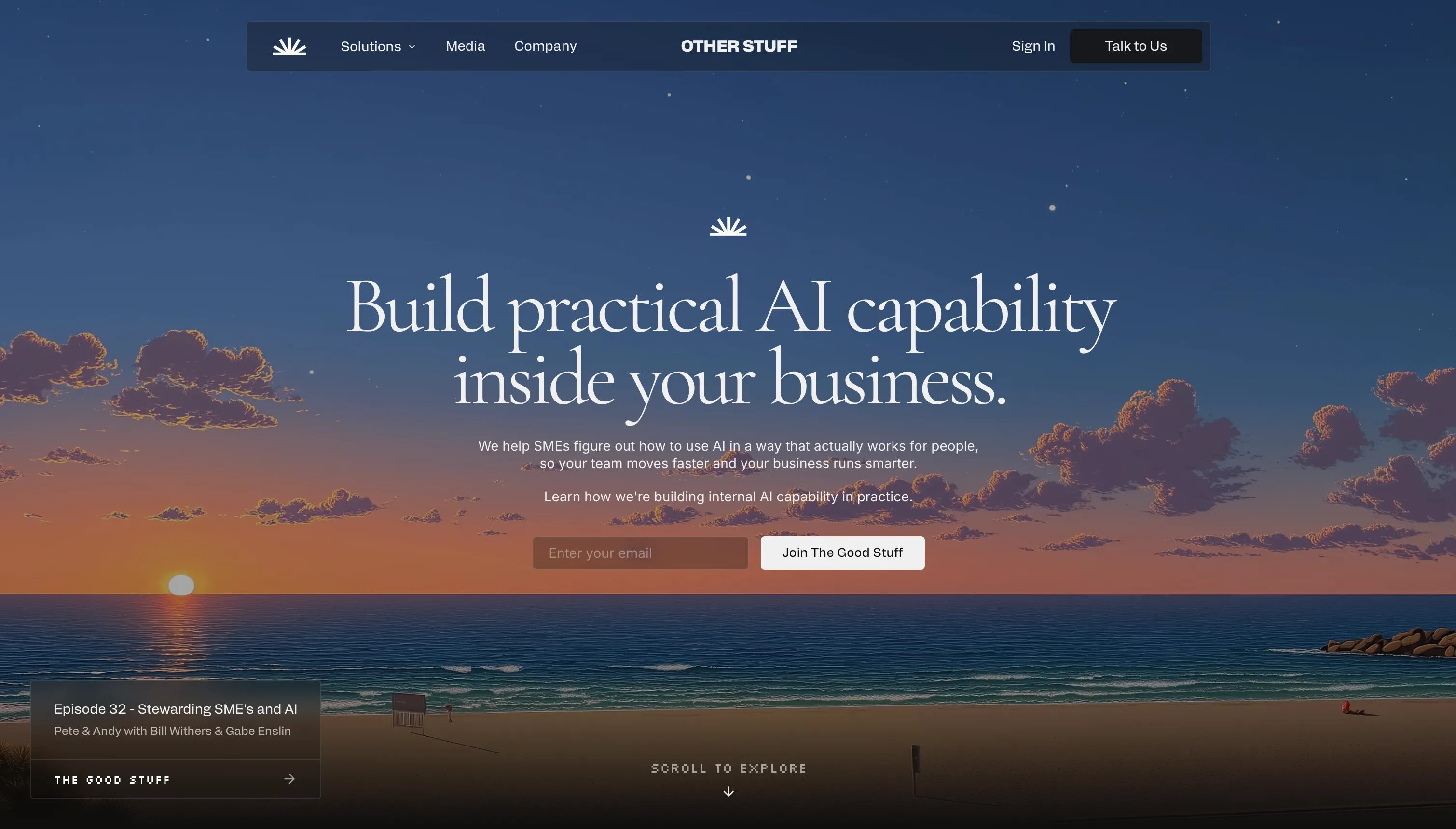

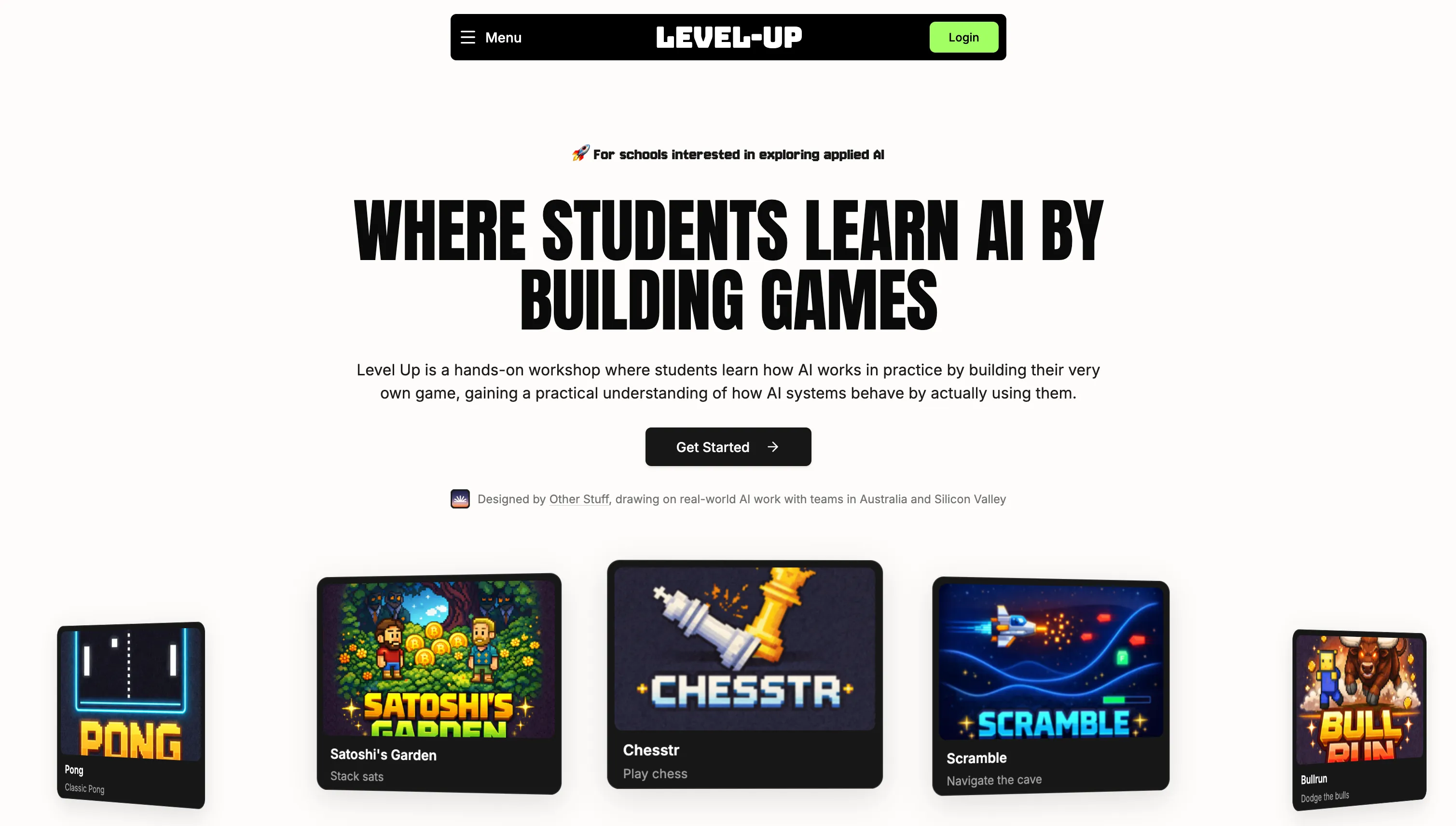
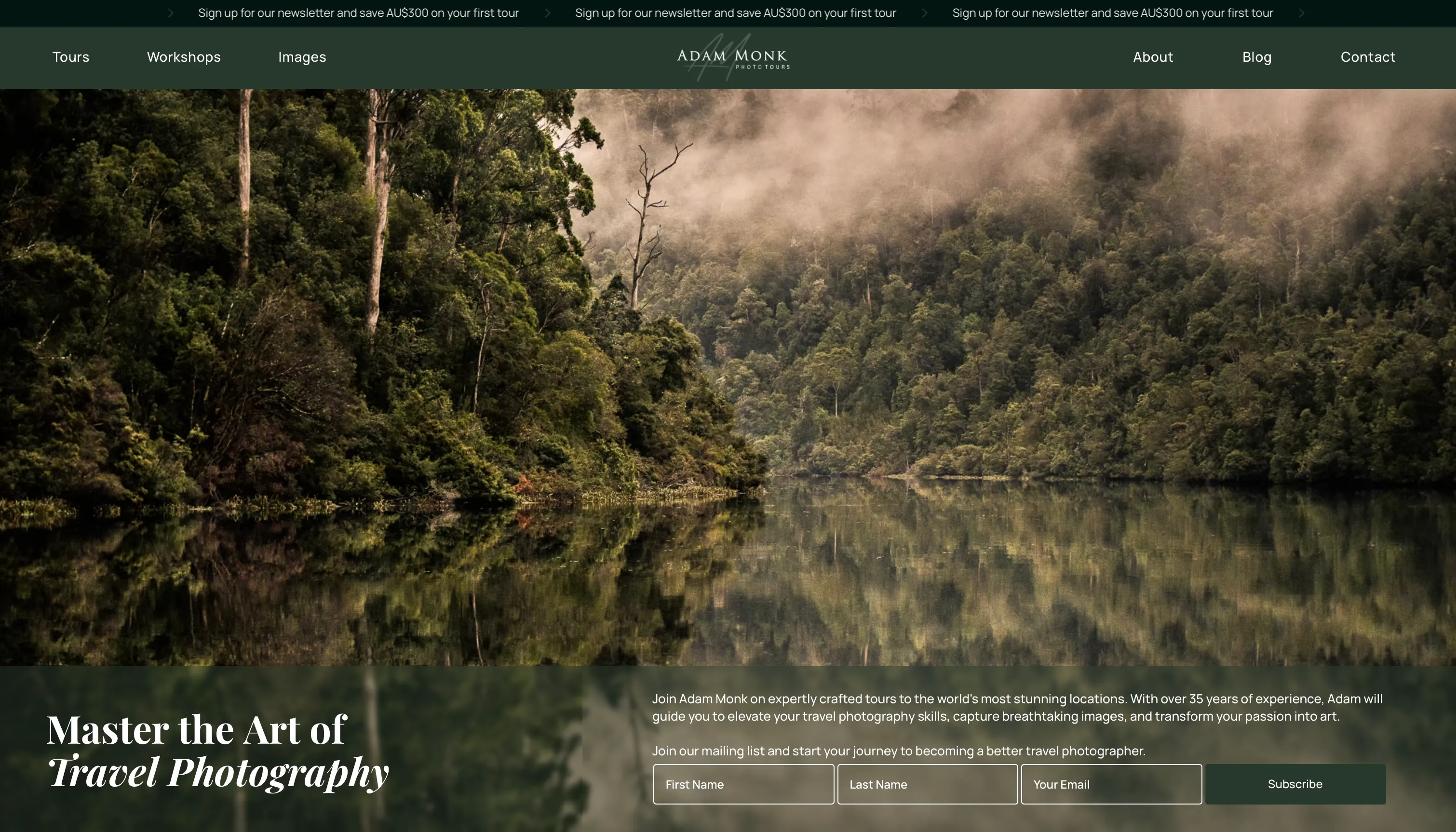








The technical problem no other industry faces
Photography websites have a contradiction at their core: your entire value proposition is visual, but large image files destroy page speed. A portfolio that takes six seconds to load on mobile loses visitors before they see a single image. This is not a minor inconvenience — it directly costs you bookings, and Google penalises slow sites in search rankings.
We solve this without compromise. Every image is served in modern formats — WebP and AVIF — that deliver dramatically smaller file sizes with no perceptible quality loss. Responsive srcsets ensure a phone receives a different image size than a 5K display, so neither device wastes bandwidth or sacrifices sharpness. Lazy loading means images below the fold do not block the initial page render, and blur-up placeholders give visitors an instant visual impression while full-resolution files load in the background. The result is a portfolio that looks stunning on every screen and loads in under two seconds.
Curation is the skill your website should demonstrate
Showing five hundred photos is not a portfolio — it is a hard drive. The most effective photography websites display fifty exceptional images rather than five hundred decent ones. Every image on your site should be there because it demonstrates something specific: your eye for light, your ability to capture emotion, your technical mastery, your editorial style.
We structure galleries by genre — wedding, commercial, portrait, product, event, editorial — so each type of client sees work relevant to their needs without wading through unrelated shoots. Within each gallery, the sequencing matters. Opening with your strongest image, building a visual rhythm, and ending on something memorable is the same editorial discipline you apply to delivering a final set of photos to a client. Your website should reflect that discipline. A marketing manager looking for product photography should land on a tightly curated commercial gallery, not scroll past wedding portraits to find what they need.
Your site's visual language should match your photographic style
A wedding photographer's website should feel different from a commercial product photographer's site. Not just in the images displayed — in everything. Typography, colour palette, layout density, whitespace, even the way text interacts with imagery. These design choices communicate your aesthetic before a single photograph loads.
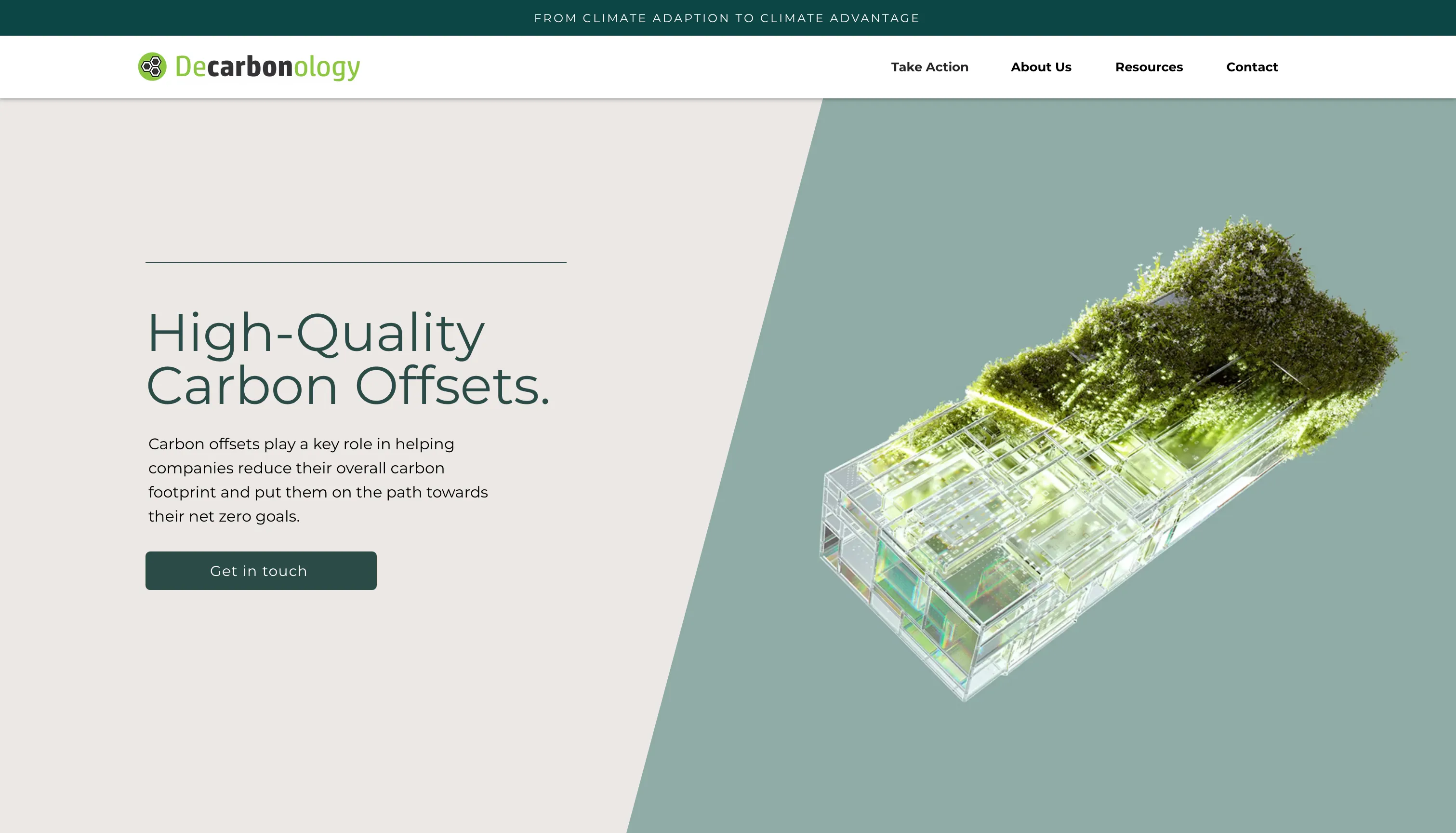
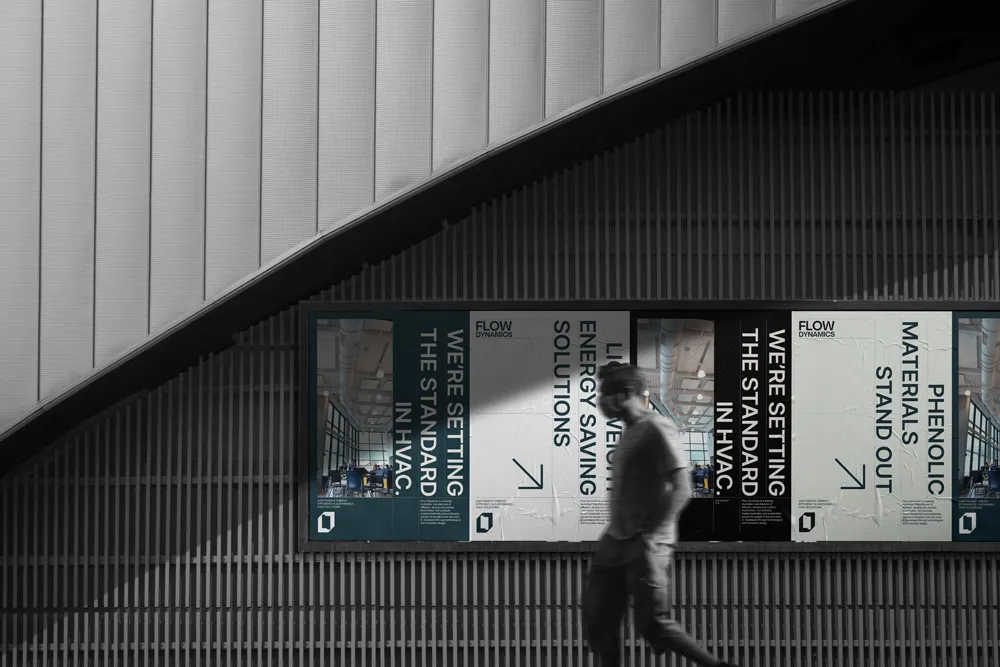
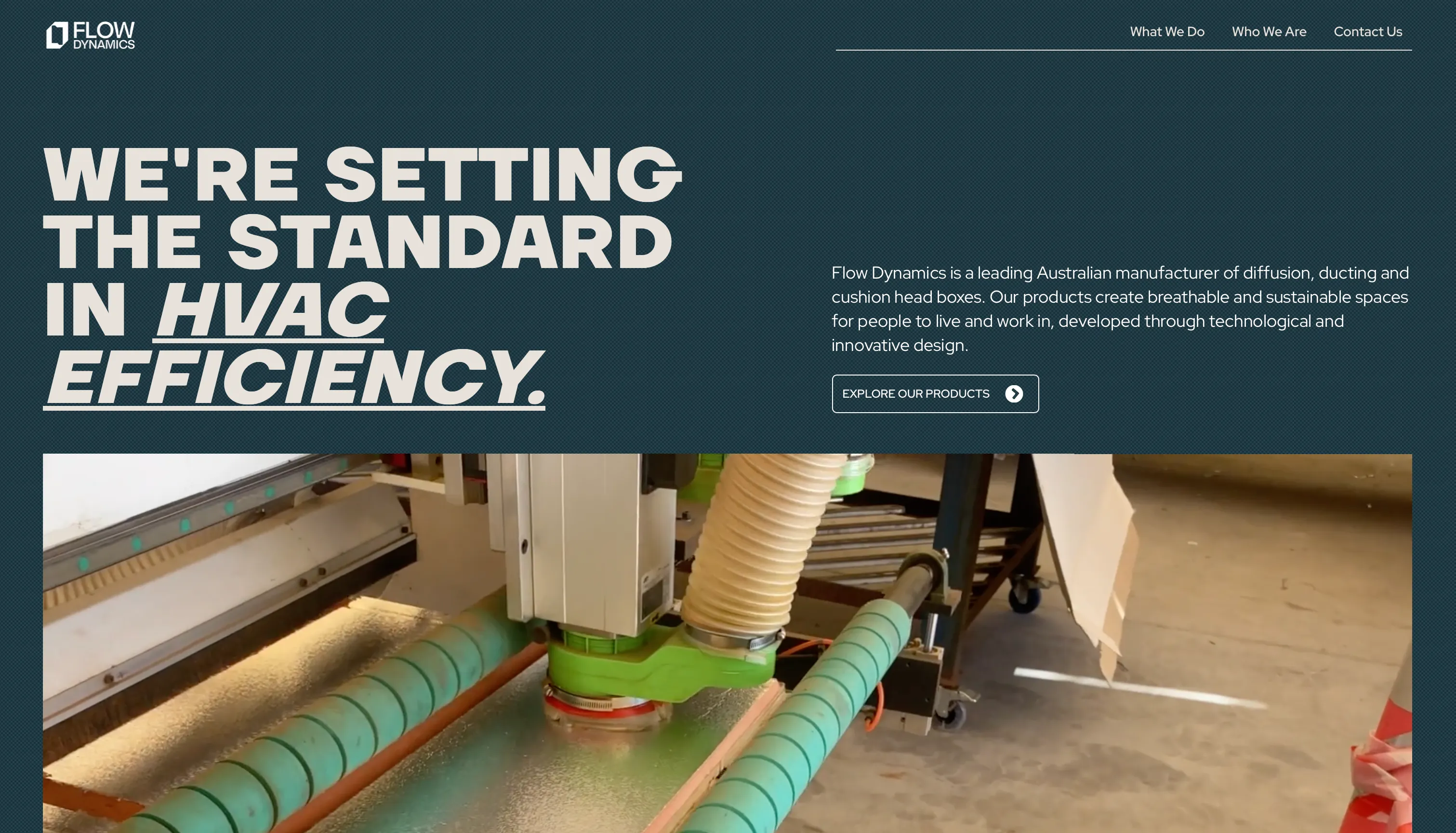
We design each photography website as a bespoke visual environment that reflects the photographer's specific style. A moody, editorial wedding photographer gets a design language that matches — dark tones, generous whitespace, restrained typography. A bright, energetic event photographer gets something entirely different. This alignment between your photographic style and your website's design language creates a coherent brand experience that clients feel, even if they cannot articulate it. When everything on your site says the same thing about who you are as a creative, enquiry quality improves dramatically — you attract clients who are already drawn to your style.
A commercial food and product photographer in Melbourne relaunched with a website we designed to match their clean, minimalist shooting style — tight grid layouts, neutral backgrounds, and bold typography that stayed out of the way of the images. Within two months, they reported that new enquiries were coming from larger brands and agencies, replacing the smaller jobs that had previously dominated their inbox. The website changed the calibre of client, not just the volume.
Turning your website into a booking engine
Photographers lose hours every week on email back-and-forth: availability checks, package explanations, quote requests, deposit chasing, contract sending. The more of this workflow your website handles, the more time you spend shooting and the less time you spend in your inbox.
We build enquiry forms that capture the information you actually need — date, event type, location, estimated hours, budget range — so you can respond with a tailored quote rather than a series of clarifying questions. For photographers using workflow platforms like HoneyBook, Dubsado, or Studio Ninja, we integrate these tools directly into the site so clients can move from enquiry to contract to deposit payment without leaving your ecosystem. Package pages with clear descriptions and starting prices filter out enquiries that are not the right fit, saving time for both you and the potential client.
The search visibility photographers leave on the table
Photographers have a natural content advantage that most never exploit. Every shoot you complete is a potential piece of search-optimised content — a blog post tagged with the venue name, the location, the event type, and the genre. "Wedding photography at [venue name]" is a search that engaged couples make constantly, and a blog post from a real wedding at that venue with properly tagged images is exactly what they want to find.
We structure your site so every image carries descriptive alt text, creative work structured data helps search engines understand your content, and location-tagged galleries capture geographic search traffic. Blog posts from real shoots — with genuine stories, not keyword-stuffed filler — rank for venue names, suburb searches, and genre terms. This turns your existing body of work into a long-term source of organic traffic that compounds over time, each new shoot adding another entry point to your site.
Ready to get more leads for your photography business?
Get in touch to discuss your project. We'll show you what a high-performing website looks like for your industry.
Book a Discovery CallCommon questions about photography websites
How much does a photography website cost?
Our website packages for photographers start from $5,000 AUD. This includes a portfolio-focused design, booking or enquiry forms, gallery pages, and local SEO setup.
Will my photos load quickly on the website?
Yes. We use modern image optimisation techniques — WebP/AVIF formats, responsive srcsets, lazy loading, and blur-up placeholders — to ensure your portfolio loads fast without sacrificing image quality.
Can I update my portfolio myself?
Yes. We build your site with an easy-to-use content management system so you can add, remove, and reorder images in your galleries without needing technical skills.
Do you build separate galleries for different types of photography?
Absolutely. We create dedicated gallery and service pages for weddings, portraits, commercial work, real estate, events, product photography, and any other genres you shoot.
How do you help photographers get found on Google?
We optimise image alt text, implement structured data for creative works, build location-tagged galleries, and target genre-specific local searches like 'wedding photographer [city]' or 'commercial photographer near me.'